← All Programs Prevention
Substance
Substance
Abuse
Drugs and alcohol promise escape, but deliver destruction. REIGN gives teens the truth, and better alternatives for dealing with life's pain.
Drugs and alcohol promise escape, but deliver destruction. REIGN gives teens the truth, and better alternatives for dealing with life's pain.
3M
Deaths annually from alcohol abuse worldwide
59M
Americans who have misused drugs in the past year
1M+
US overdose deaths since 2000
Approximately 3 million people die each year from alcohol abuse, and 59.3 million Americans have misused drugs or prescription medications in the past year alone. These are not distant statistics. They live next door.
REIGN's Substance Abuse program approaches this crisis at its root: pain, pressure, and the need to cope. Rather than lecturing teens about rules, we explore why substances seem appealing, and present compelling evidence for why they don't deliver what they promise.
More importantly, we equip teens with alternative methods for coping with peer pressure, emotional pain, and addiction temptation, leaving them with a practical toolkit they can use immediately.
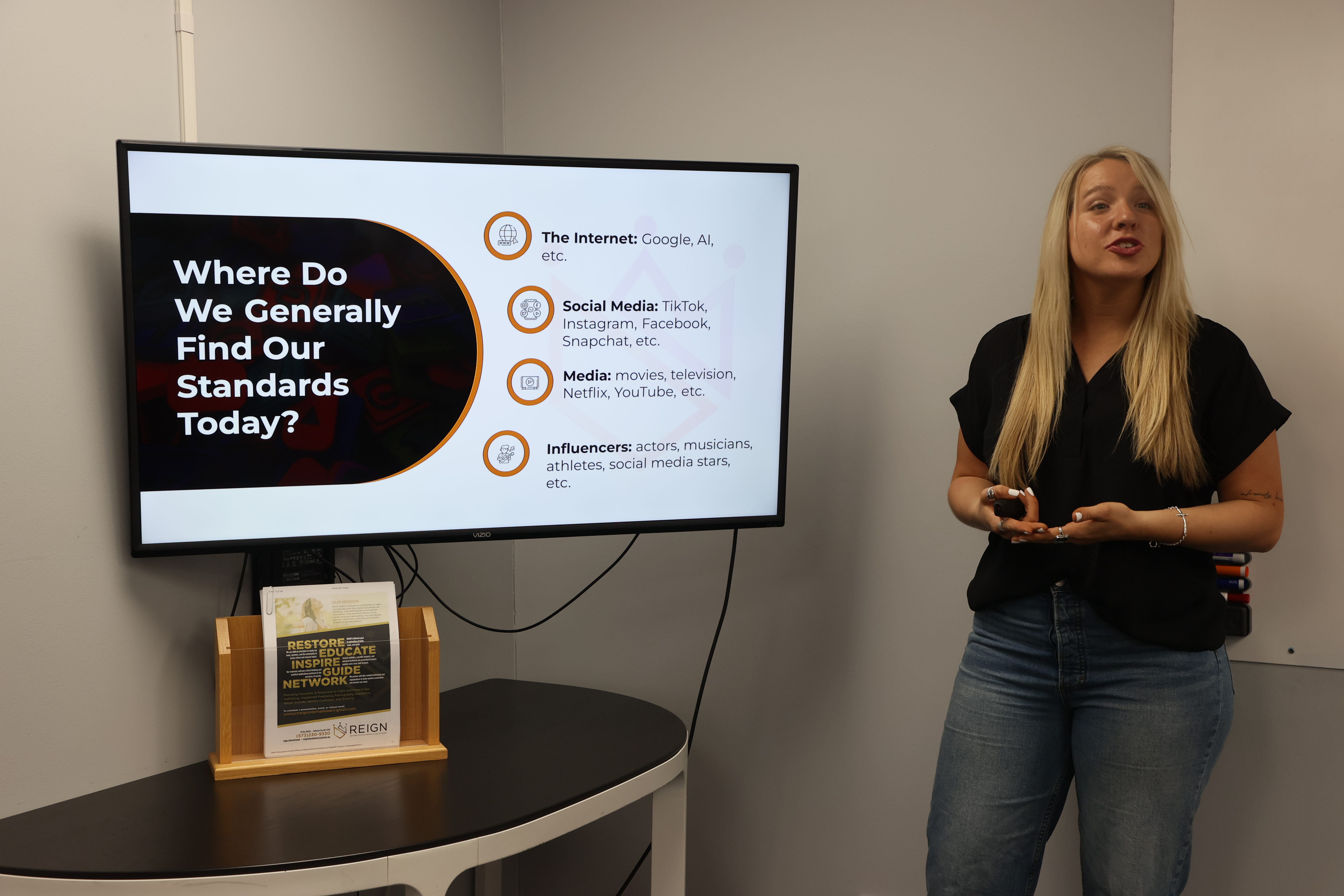
Teens most commonly cite peer pressure, curiosity, stress, depression, and trauma as reasons for substance use. REIGN addresses these root causes directly rather than simply saying "don't do it."
The program covers alcohol, marijuana, prescription drug misuse, nicotine/vaping, and illicit drugs, providing statistics, brain science, and the real stories behind addiction.
Research shows the opposite: teens who receive evidence-based substance education are significantly less likely to engage in drug and alcohol use. Informed teens make better decisions.
REIGN equips teens with healthy, evidence-based coping strategies including physical activity, creative expression, community connection, mindfulness, and faith-based practices.